Marginaal betekenis economie
Het concept van marginaal is de sleutel in de economie, het stelt ons in staat om economische problemen te bestuderen en oplossingen te vinden met de analyse van de effecten van kleine veranderingen in de relevante variabelen. Marginaal betekent zowel klein, onbelangrijk als zich aan de grens bevindend. Belangrijke synoniemen van marginaal zijn onder meer: bijkomend, op de rand en de kantlijn betreffend. Als iets marginaal is wil dat vaak zeggen dat iets bijna te onbelangrijk is om er aandacht aan te besteden: ''De wethouder maakt geen beleid op het wild barbecueën. Marginaal betekenis economie De marginale opbrengst is het bedrag waarmee de totale opbrengst van het bedrijf verandert als het bedrijf één extra product produceert.


Economische termen Cumulus combineert de kracht van digitaal en papier in lesmethodes, toetsmakers en examenbundels voor economie en bedrijfseconomie.

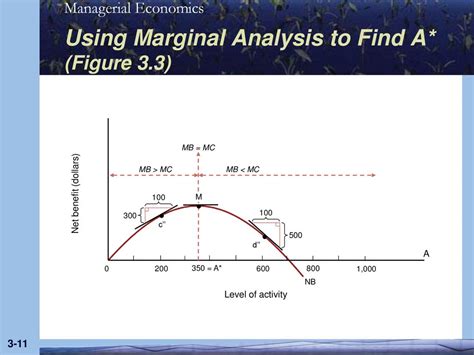
Marginale analyse Marginal analysis is a fundamental concept in economics that involves evaluating the additional benefits and costs of a decision. It helps individuals, firms, and governments make optimal choices by considering the incremental effects of their actions.
Marginale kosten
Marginal cost is the extra money a business spends to make just one more product. It's a key concept that helps companies figure out how much they should produce and what prices to charge. Marginal cost is the change of the total cost from an additional output [(n+1)th unit]. Therefore, (refer to "Average cost" labelled picture on the right side of the screen. Average cost. In this case, when the marginal cost of the (n+1)th unit is less than the average cost(n), the average cost (n+1) will get a smaller value than average cost(n).Marginale kosten In den meisten Fällen – vor allem bei linearen Kostenfunktionen – sind Grenzkosten und variable Kosten bei der ersten, zusätzlich hergestellten marginalen Einheit zunächst gleich. Ab einer bestimmten Menge unterscheiden sich die beiden Größen dann aufgrund abweichender Kosten.